What Should I Look for When Inspecting a Granite Slab?
Choosing the right granite slab for your kitchen or bathroom is one of the most exciting parts of any remodeling project. It’s also one of the most important. The slab you select will define the look, feel, and durability of your countertops for decades to come.
But not every granite slab is created equal. Variations in color, pattern, thickness, and structural integrity can make a big difference in the final result. If you’ve never inspected a natural stone slab before, knowing what to look for can save you from costly surprises down the road.
At Granex Kitchen, we guide Long Island homeowners through every step of the selection process. Whether you’re visiting a granite stone supplier or browsing slabs at our facility, this guide will help you inspect with confidence and choose the perfect piece for your project.
Why Inspecting a Granite Slab in Person Matters
Photos and samples can only tell you so much. Quarried granite is a natural material, which means every single slab has unique veining, mineral deposits, and color variations. What you see on a screen or in a small sample tile may look completely different from the full slab.
That’s why the Granex Kitchen team always encourages homeowners in Patchogue, East Patchogue, Brookhaven, and the surrounding communities to view their granite slab in person before committing. Seeing the full piece lets you evaluate the color consistency, movement, and overall character of the stone in a way no photograph can capture.
Check the Color and Pattern Consistency
The first thing most people notice about a granite slab is its color and pattern. Natural stone slabs come in an incredible range of tones, from deep black granite slab options to warm golds, creamy whites, and rich blues. The key is making sure the color and veining pattern work for your specific space.
Look at the Full Slab, Not Just a Corner
Stand back and take in the entire slab from a few feet away. Granite often has areas of concentrated color or veining that look different from the rest. Ask yourself whether you’re comfortable with those variations appearing on your granite kitchen counters or bathroom vanity.
At Granex Kitchen, our team helps you visualize how the slab will look once it’s fabricated and installed. We can point out which sections of the slab will be most visible on your countertops, kitchen islands, or vanity tops.
Compare Multiple Slabs from the Same Lot
If your project requires more than one slab, make sure they come from the same quarry lot. Slabs from different lots can have noticeable differences in shade and pattern. Matching slabs closely creates a seamless, cohesive look across your granite countertops.
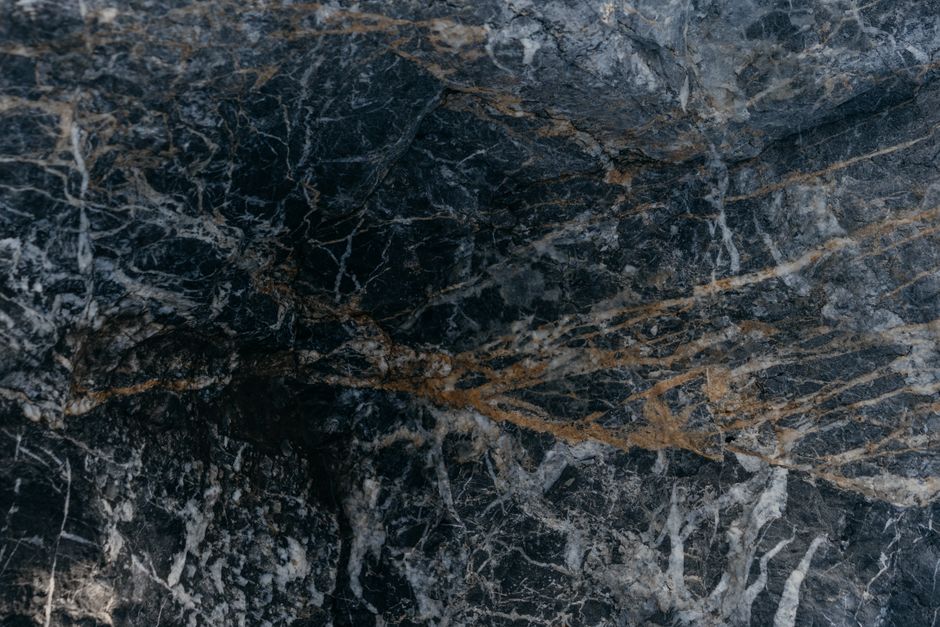
Inspect the Surface for Cracks, Pits, and Fissures
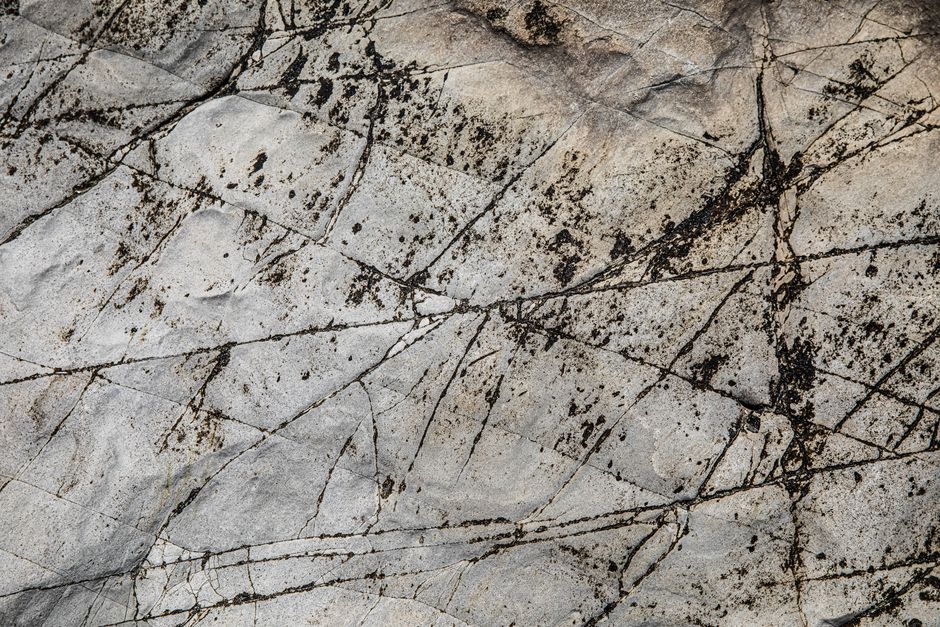
A polished granite surface should feel smooth and even. Run your hand across the slab and look closely under good lighting. You’re checking for three things: cracks, pits, and natural fissures.
- Cracks are structural breaks in the stone. Even small cracks can grow over time, especially around sink cutouts or areas that bear weight. A cracked slab should be avoided.
- Pits are tiny holes in the surface caused by mineral crystals pulling away during polishing. Small pits are normal in some granite varieties, but excessive pitting can affect the durability of the finished countertop.
- Fissures are natural separations in the stone that formed millions of years ago. They’re usually cosmetic and don’t affect structural integrity. However, it’s smart to have a professional assess whether a fissure could cause problems during granite fabrication.
The team at Granex Kitchen inspects every slab before fabrication begins, so our Long Island customers never end up with a compromised piece of stone.
Evaluate the Thickness and Structural Quality
Most granite countertops are fabricated from slabs that are either 2 cm or 3 cm thick. Thicker slabs are generally stronger and don’t require plywood backing, which gives your countertop a more substantial, premium look.
When inspecting a granite slab, check that the thickness is uniform across the entire piece. Uneven thickness can lead to problems during granite installation, including difficulty achieving level seams and proper support around sink and cooktop cutouts.
Ask About the Slab’s Origin and Grade
Not all natural granite stone is graded the same way. Commercial-grade granite tends to have simpler patterns and more common colors, while premium and exotic grades feature rarer minerals and more dramatic movement. Understanding the grade helps you set realistic expectations for granite material cost and overall appearance.
Granex Kitchen sources high-quality natural stone from trusted suppliers, and we’re always transparent about grading so you can make an informed decision that fits your budget and style.
Consider the Finish Type for Your Space
The finish you choose affects both the look and the maintenance of your natural stone countertops. The two most popular options are polished and honed.
A polished granite surface has a high-gloss, reflective finish that enhances the stone’s depth and color. It’s the most popular choice for kitchen countertops because it resists staining and is easy to clean.
A honed granite finish has a matte, velvety appearance. It offers a more understated, contemporary look and works beautifully on a granite bathroom vanity or in modern kitchen designs. Keep in mind that honed surfaces may show fingerprints and water marks more easily, and they typically need more frequent granite sealing treatment.
When you work with Granex Kitchen, we’ll help you decide which finish suits your lifestyle and design goals. We also handle sealing and maintenance guidance so your countertops stay looking their best for years.
Think About Edge Profiles and Fabrication Details
The granite edge profile you choose adds a finishing touch that can completely change the character of your countertops. Options range from a simple straight edge to more decorative granite profiles like bullnose, ogee, and beveled edges.
During your slab inspection, consider how the edge will look against the stone’s natural pattern. Some bold veining patterns look best with a simple edge that doesn’t compete for attention, while solid-colored slabs can handle a more ornate profile.
Granex Kitchen offers a full range of edge profiles and custom fabrication options. Our granite installation services cover everything from templating and cutting to finishing and final placement, all handled by experienced professionals who know natural stone inside and out.
How Granex Kitchen Makes Slab Selection Easy
Inspecting a granite slab doesn’t have to be overwhelming. With the right guidance, it can actually be one of the most enjoyable parts of your remodel.
At Granex Kitchen, we walk Long Island homeowners through the entire process. From selecting the perfect slab and choosing your granite edge profile to expert granite fabrication and seamless installation, we handle it all. Our team serves Patchogue, East Patchogue, Brookhaven, and surrounding areas with a focus on quality craftsmanship and personalized service.
Whether you’re upgrading your granite kitchen islands, installing a new granite bathroom vanity, or building your dream kitchen countertops from scratch, we’re here to make sure every detail is right.
Inspecting a granite slab before you buy is one of the smartest things you can do during a kitchen or bathroom remodel. Pay attention to color consistency, surface quality, thickness, finish type, and how the stone will look once it’s fabricated with your chosen edge profile. These details make the difference between countertops you like and countertops you love.
Granex Kitchen takes the guesswork out of the process for homeowners across Long Island. From slab selection to professional granite installation, our team delivers beautiful, lasting results that transform your space. If you’re planning a remodel in Patchogue, East Patchogue, Brookhaven, or the surrounding communities, reach out to Granex Kitchen today. Let us help you find the perfect granite slab and bring your vision to life.
Frequently Asked Questions
How do I know if a granite slab has cracks?
Run your hand across the polished surface and inspect it under good lighting to identify any structural cracks, which appear as visible breaks in the stone.
What thickness should I choose for granite countertops?
A 3 cm thick slab is the most popular choice because it’s stronger, doesn’t require plywood backing, and gives your countertops a more substantial look.
Should I view a granite slab in person before buying?
Yes, always view the full slab in person because photos and small samples can’t accurately show the color variations, veining, and character of natural stone.