
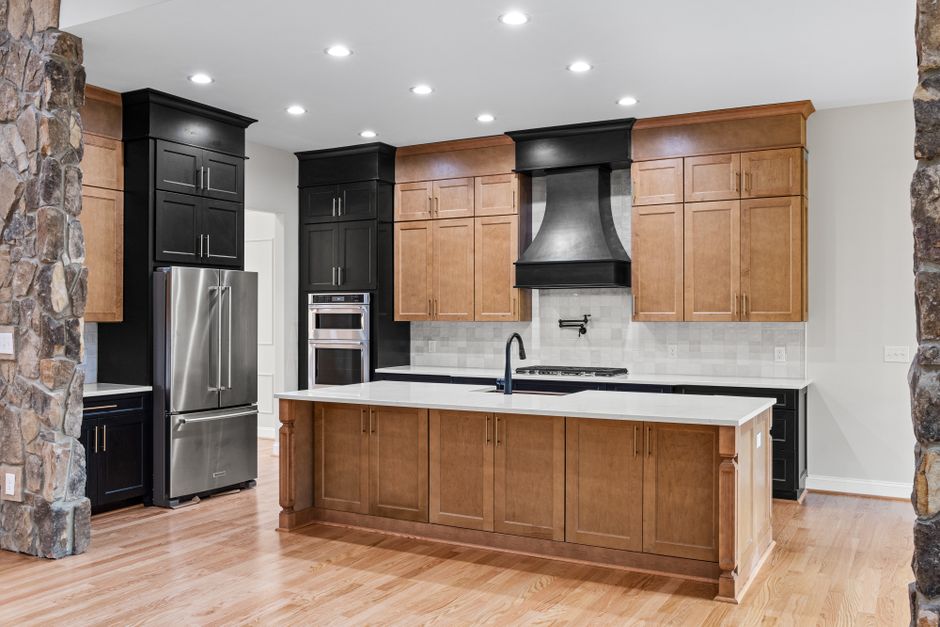
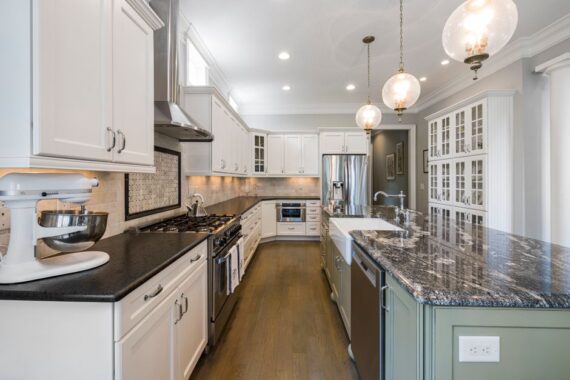
If you’re planning a kitchen or bathroom remodel on Long Island, you’ve probably found yourself comparing materials and wondering whether engineered stone countertops are really worth the investment. It’s a fair question, especially when natural stone options like granite and marble have been the go-to choices for decades.
The short answer? For most homeowners, engineered stone delivers a combination of beauty, durability, and low maintenance that’s hard to beat. But the longer answer depends on your lifestyle, your design goals, and who handles the installation.
At Granex Kitchen, we help homeowners across Patchogue, East Patchogue, Brookhaven, and the surrounding Long Island communities choose and install the right countertop material for their space. We’ve worked with every major surface type, and we’ve seen firsthand why engineered quartz surfaces have become one of the most popular choices in modern kitchen and bathroom design.
What Are Engineered Stone Countertops?
Engineered stone countertops are man-made surfaces composed of roughly 90-95% crushed natural quartz, combined with polymer resins and pigments. The result is a dense, non-porous stone countertop that mimics the look of natural materials while offering distinct performance advantages.
Popular brands like Caesarstone, Silestone, and Viatera quartz all fall under this category. You might also hear them called composite stone countertops, quartz countertops, or lab-created stone tops. Regardless of the name, the manufacturing process allows for consistent color, pattern, and quality across every slab.
Unlike natural stone, which is quarried and cut with inherent variations, engineered quartz is produced in controlled environments. That means fewer surprises during countertop installation and more predictable results in your finished kitchen or bathroom.
Engineered Stone vs Natural Stone: What’s the Real Difference?
One of the most common comparisons homeowners bring to us at Granex Kitchen is engineered stone vs natural stone. Both options look stunning, but they perform very differently in daily use.
Porosity and Stain Resistance
Natural stone countertops like granite and marble are porous, which means they absorb liquids if not properly sealed. Over time, wine, coffee, and cooking oils can leave permanent stains. Sealing helps, but it requires reapplication every year or two.
Engineered stone, on the other hand, is non-porous right out of the factory. Quartz countertops offer excellent stain resistance without any sealing. Spills wipe away easily, and you never have to worry about liquids soaking into the surface. If stain-resistant countertops are a priority for your household, engineered quartz is a clear winner.
Durability and Scratch Resistance
Both engineered and natural stone are durable kitchen countertops, but engineered quartz has a slight edge when it comes to everyday scratch resistance. Granite is hard, but its natural fissures and mineral inclusions can make certain areas more vulnerable to chipping.
Engineered stone surfaces are uniformly dense, so you get consistent scratch-resistant performance across the entire countertop. That said, we always recommend using cutting boards regardless of your surface material.
Heat Resistance
Natural stone handles heat better than most engineered options. Granite, for example, can tolerate a hot pan without damage in most cases. Quartz countertops are heat resistant to a degree, but prolonged exposure to extreme heat can damage the resin binders and cause discoloration.
The practical takeaway? Use trivets. It’s a small habit that protects any countertop investment, whether natural or engineered.
Appearance and Design Flexibility
Natural stone offers one-of-a-kind beauty. Every slab of marble or granite is unique, and that’s part of the appeal for many homeowners.
Engineered stone countertops offer something different: design consistency. If you want a specific veining pattern or color throughout your entire kitchen, quartz delivers that uniformity. Modern manufacturing techniques have also made engineered stone incredibly realistic, with options that closely replicate Calacatta marble, concrete, and other natural looks.
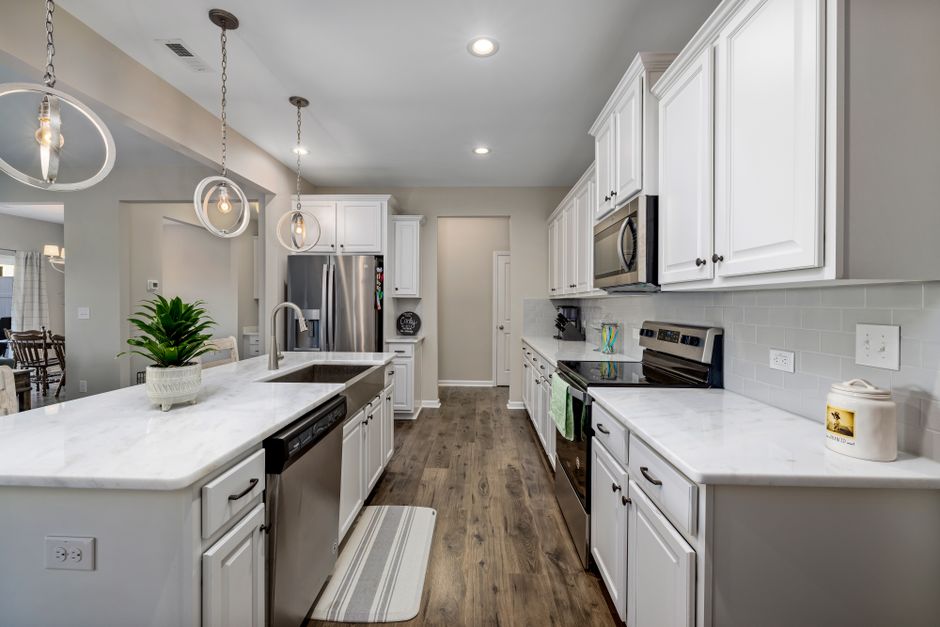
Top Benefits of Choosing Engineered Stone Countertops
Here’s a quick summary of why so many Long Island homeowners choose engineered quartz through Granex Kitchen:
- Low maintenance with no sealing required, ever
- Stain-resistant countertop material that handles daily kitchen messes
- Consistent color and pattern across multiple slabs for larger projects
- Scratch-resistant surface that holds up to busy family kitchens
- Wide range of colors and styles, from classic whites to bold modern tones
- Non-porous construction that resists bacteria and mold growth
For homeowners who want a beautiful countertop without the ongoing upkeep, engineered stone is one of the best countertop materials for kitchens and bathrooms alike.
Are There Any Downsides to Engineered Stone?
No material is perfect, and it’s worth being upfront about a few limitations.
Engineered stone countertops are not ideal for outdoor kitchens. Prolonged UV exposure can cause fading over time. If you’re designing an outdoor cooking space, natural granite or porcelain might be better suited.
As mentioned earlier, extreme heat can be an issue. While normal cooking won’t cause problems, placing a 500-degree pan directly on the surface is not recommended.
Finally, pricing can vary. Engineered stone typically falls in a similar price range as mid-to-high-grade granite, making it an affordable stone countertop option for most remodels. Premium patterns and thicker slabs will cost more, but at Granex Kitchen, we work with homeowners to find options that fit their budget without sacrificing quality.
How Granex Kitchen Helps You Choose the Right Countertop
Selecting the right countertop material is about more than just picking a color. It involves understanding how you use your kitchen, what kind of maintenance you’re comfortable with, and how the countertop fits into your overall design.
At Granex Kitchen, we guide Long Island homeowners through every step. From helping you compare engineered stone vs granite, to selecting the right edge profile and finish, our team provides custom design support tailored to your space.
We also handle professional countertop installation, ensuring precise measurements, clean seams, and a flawless finished product. Whether you’re remodeling a compact galley kitchen in Patchogue or building a large island in your Brookhaven home, we bring the same attention to detail to every project.
Which Engineered Stone Brands Does Granex Kitchen Offer?
We carry a wide selection of engineered stone brands, including Silestone countertops, Viatera quartz, Caesarstone, and several other trusted manufacturers. Each brand offers unique colors, finishes, and performance characteristics.
Our showroom gives you the chance to see and feel actual slabs before making a decision. We find that homeowners feel much more confident once they’ve compared materials side by side, rather than relying on small samples or online photos alone.
If you’re exploring Caesarstone alternatives or want to compare different quartz lines, our team can walk you through the options and help match the right surface to your design vision and lifestyle.
Engineered stone countertops offer an impressive balance of style, durability, and practicality that makes them worth it for the vast majority of kitchen and bathroom remodels. They resist stains without sealing, hold up to daily wear, and come in a wider range of consistent colors and patterns than most natural stone options.
That said, the best results always come down to quality materials paired with expert installation. A beautiful slab only performs as well as the craftsmanship behind it.
Granex Kitchen has been helping homeowners across Long Island, from Patchogue to Brookhaven and beyond, design and install countertops that look stunning and last for years. If you’re ready to explore engineered quartz surfaces or want to compare your options in person, reach out to the Granex Kitchen team to schedule a consultation. We’ll help you find the perfect fit for your home, your style, and your budget.
Frequently Asked Questions
Do engineered stone countertops stain easily?
No, engineered stone is non-porous and highly stain-resistant, so spills wipe away without the need for sealing.
Are engineered stone countertops cheaper than granite?
They typically fall in a similar price range as mid-to-high-grade granite, making them a competitive and affordable option for most kitchen remodels.
Can you put hot pans on engineered stone countertops?
Engineered stone is heat resistant to a degree, but using trivets is recommended to prevent potential damage from extreme heat.
