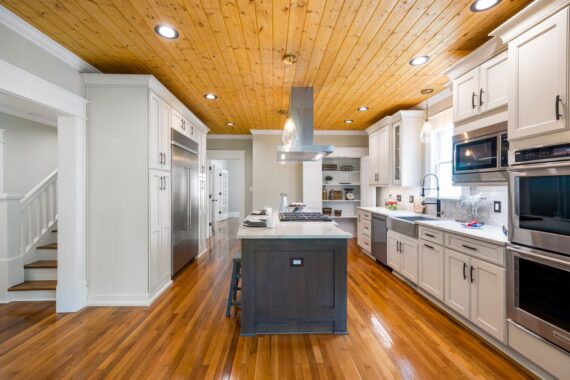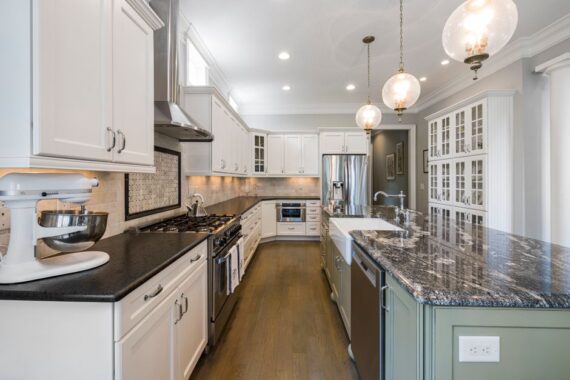

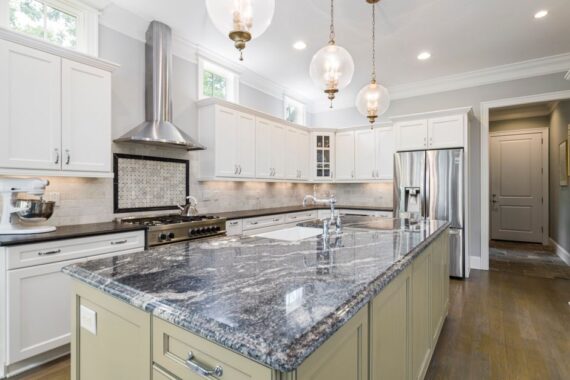
Choosing a stone countertop is not simply a design decision. It’s a lifestyle decision.
At Granex Kitchen in Patchogue, NY, we often meet homeowners who walk into the showroom with a Pinterest board full of inspiration, dramatic veining, waterfall edges, polished white quartz islands. But after a few minutes of conversation, the focus shifts.
“How much maintenance does this require?”
“Will it stain?”
“I cook every day. Will this hold up?”
A countertop is one of the hardest-working surfaces in your home. It handles heat, spills, chopping, entertaining, homework sessions, and the occasional coffee mishap. The right material isn’t just beautiful. It fits the way you live.
Let’s break down how to choose wisely
.
Step One: Be Honest About How You Use Your Kitchen
Before discussing granite versus quartz, ask yourself a more important question: how do you actually use your kitchen?
Do you cook elaborate meals daily?
Do you entertain frequently?
Do you have young children who treat countertops like activity tables?
Or is your kitchen more of a visual showpiece?
Lifestyle drives material selection.
At Granex Kitchen, we often guide Long Island homeowners through this exercise first. A retired couple who hosts dinner parties twice a month will have different needs than a family of five preparing meals nightly.
Function precedes finish.
Understanding the Major Stone Options
Each stone material offers distinct advantages. The key is aligning those properties with your priorities.
Granite – Natural Strength and Variation
Granite remains a popular choice for homeowners who value natural beauty and durability.
Strengths:
- High heat resistance
- Unique natural patterns
- Strong resistance to scratching
Granite performs exceptionally well in active kitchens. However, because it is a natural stone, it requires periodic sealing to maintain stain resistance.
One homeowner in Suffolk County chose granite specifically because she loved cooking with cast iron and placing hot pans directly on the surface. For her, heat resistance was non-negotiable.
Granite thrives in kitchens that see serious culinary use.
Quartz – Low Maintenance and Consistency
Quartz countertops are engineered stone surfaces composed of crushed natural quartz combined with resins.
Advantages:
- Non-porous surface
- No sealing required
- Strong stain resistance
- Uniform appearance
For busy families, quartz often becomes the preferred option. Spills wipe clean easily, and maintenance demands are minimal.
At Granex Kitchen, many clients selecting quartz prioritize convenience. They want durability without ongoing upkeep.
Quartz is ideal for households where practicality outweighs the romance of natural variation.
Marble – Elegant but Demanding
Marble offers unmatched elegance and soft veining. It’s a classic material often associated with high-end kitchens.
However:
- It is more porous
- It can etch from acidic foods
- It requires consistent care
Marble suits homeowners who appreciate patina, the gradual development of character over time.
We typically recommend marble for baking stations, decorative islands, or lower-traffic zones unless clients are fully comfortable with maintenance.
Beauty comes with responsibility.
Engineered Stone Surfaces (Including Proprietary Options)
At Granex Kitchen, we also offer advanced engineered surfaces such as etherium® by E-Stone, which incorporate enhanced sealing technologies for improved stain and moisture resistance.
These materials are designed to:
- Resist mold and mildew
- Withstand heavy use
- Provide consistent aesthetic appeal
For Long Island homeowners balancing aesthetics and durability, engineered stone offers a compelling middle ground.
Consider Your Maintenance Tolerance
Here’s a subtle but important point: maintenance tolerance varies.
Some homeowners don’t mind sealing granite annually. Others prefer a “wipe and forget” surface.
Ask yourself:
- Am I comfortable performing routine maintenance?
- Do I want a surface that requires no sealing?
- Will I remember to reseal the stone on schedule?
At Granex Kitchen, we never recommend material based solely on trends. We evaluate how much effort a homeowner realistically wants to invest in upkeep.
There’s no wrong choice, only mismatched expectations.
Think About Color and Light
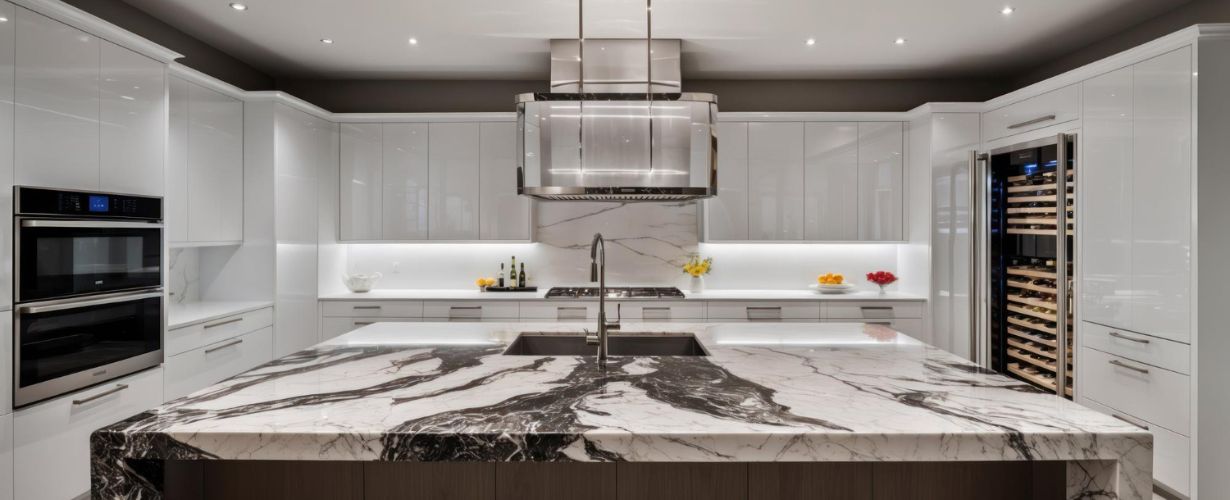
Lifestyle isn’t just about cooking habits. It’s about the atmosphere.
Lighter stones reflect light and can brighten smaller kitchens. Darker stones add contrast and drama.
On Long Island, many kitchens feature open layouts connecting to living areas. The countertop becomes a visual anchor.
Granite offers natural variation. Quartz provides uniformity. Marble adds softness.
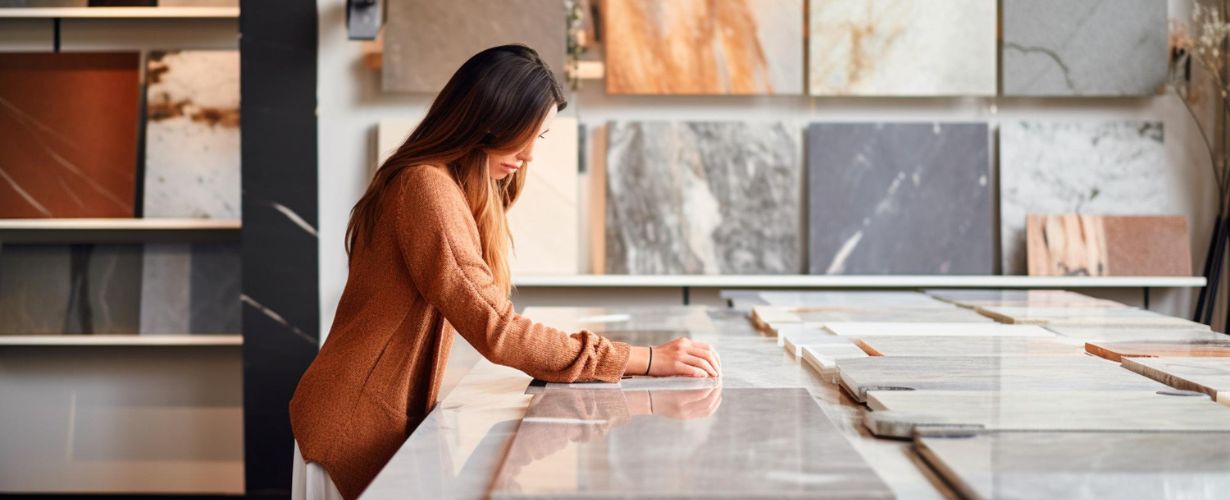
When visiting our Patchogue showroom, seeing slabs in natural light often changes a homeowner’s perspective.
Texture and tone shift with lighting.
Consider Resale Value
If you plan to sell within five years, durability and broad appeal matter.
Quartz and granite typically offer strong resale value due to their durability and market demand.
Unique or highly delicate materials may appeal to a narrower buyer pool.
Granex Kitchen frequently advises homeowners balancing personal taste with long-term investment considerations.
Evaluate Your Budget Realistically
Cost varies based on:
- Material type
- Slab thickness
- Edge profiles
- Installation complexity
- Cutouts and custom fabrication
Quartz and granite often occupy similar price ranges, depending on grade. Marble may vary widely based on origin and quality.
We encourage homeowners to evaluate total project cost rather than focusing solely on slab pricing.
Installation quality matters as much as material selection.
The Role of Fabrication and Installation
Even the highest-quality stone fails if improperly fabricated.
At Granex Kitchen, fabrication precision ensures:
- Seam alignment
- Edge detailing
- Structural reinforcement
- Secure sink cutouts
A poorly supported overhang can crack. Misaligned seams disrupt aesthetics.
Choosing a reputable fabricator is as critical as selecting the stone itself.
A Real-World Scenario
A family from Port Jefferson initially selected marble because of its appearance. After discussing their daily cooking habits, frequent tomato-based meals and active children we recommended quartz instead.
They ultimately chose a quartz surface with subtle veining that resembled marble but offered better stain resistance.
Six months later, they shared how relieved they felt not worrying about spills.
The right countertop reduces stress.
Short Answer Q & A
Q: Which stone is best for busy families?
A: Quartz is often ideal due to its non-porous, low-maintenance properties.
Q: Is granite better than quartz?
A: Both are durable. Granite offers natural variation and heat resistance; quartz offers easier maintenance.
Q: Does marble stain easily?
A: Marble is more porous and susceptible to etching from acidic foods.
Q: How long do stone countertops last?
A: With proper care, granite and quartz can last decades.
Q: Does Granex Kitchen help with design consultation?
A: Yes. Granex Kitchen provides personalized consultations, material guidance, and in-house fabrication in Patchogue, NY.
Final Thoughts: Your Lifestyle Is the Blueprint
Stone countertops are not interchangeable.
The right surface depends on how you cook, how you entertain, how much maintenance you’re willing to perform, and how you want your kitchen to feel every day.
At Granex Kitchen, we guide Long Island homeowners through this decision with practical insight, not just aesthetic advice.
Because the best countertop isn’t the most expensive or the most popular.
It’s the one that fits your life.