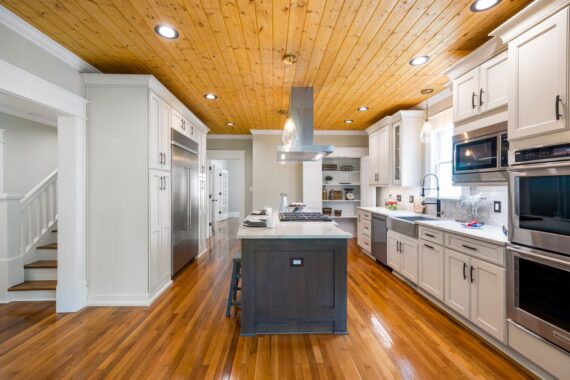
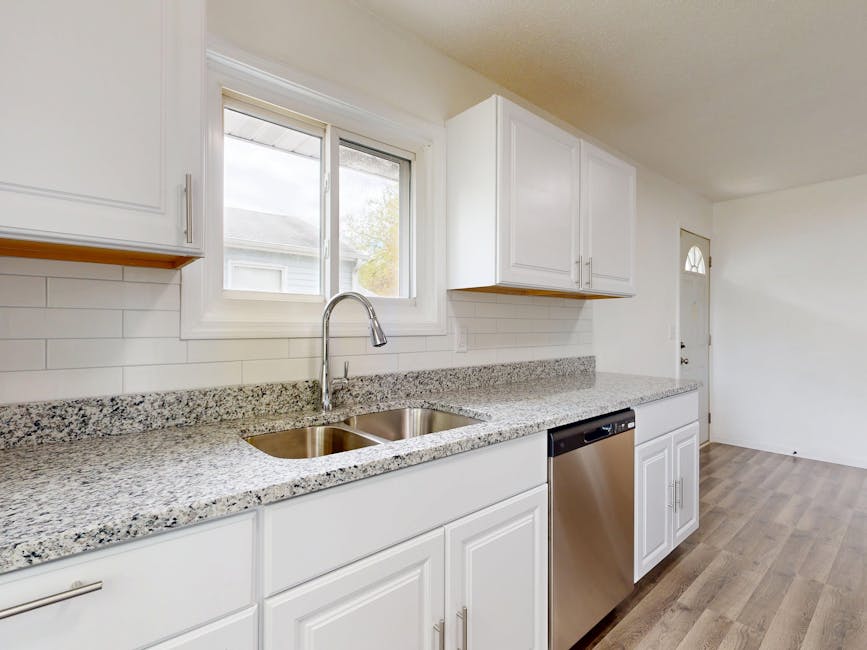
Choosing between engineered stone countertops and granite is one of the biggest decisions you’ll make during a kitchen or bathroom remodel. Both materials look stunning, hold up well, and add real value to your home. But they perform very differently in daily life.
If you’re a homeowner in Long Island planning a renovation, understanding these differences can save you time, money, and future headaches. The right surface depends on how you use your kitchen, how much maintenance you’re willing to handle, and the look you’re going for.
At Granex Kitchen, we install both engineered quartz surfaces and natural granite for homeowners across Patchogue, East Patchogue, Brookhaven, and surrounding communities. We’ve seen firsthand how the right countertop choice transforms a space. Here’s an honest breakdown to help you decide.
What Are Engineered Stone Countertops?
Engineered stone countertops, often called quartz countertops, are man-made stone countertops composed of roughly 90-95% ground natural quartz crystals mixed with polymer resins and pigments. The result is a composite stone countertop that’s incredibly dense, uniform, and available in a huge range of colors and patterns.
Brands like Silestone and Caesarstone have pushed the design possibilities even further. You can now find marble-look quartz countertops that mimic the veining of Calacatta or Carrara marble without any of the maintenance concerns that come with real marble.
Because these slabs are manufactured under controlled conditions, every piece is consistent. There are no surprise veins, pitting, or natural flaws. For homeowners who want a predictable, polished look, engineered quartz delivers exactly that.
How Does Granite Compare?
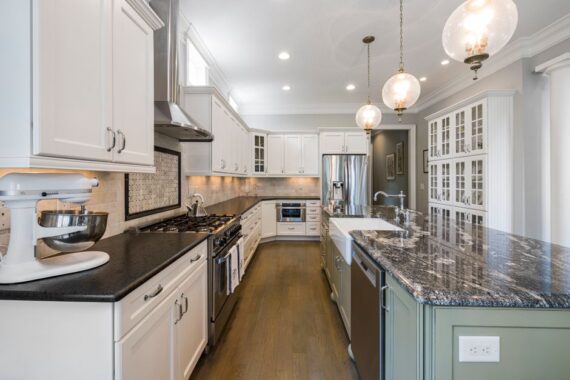
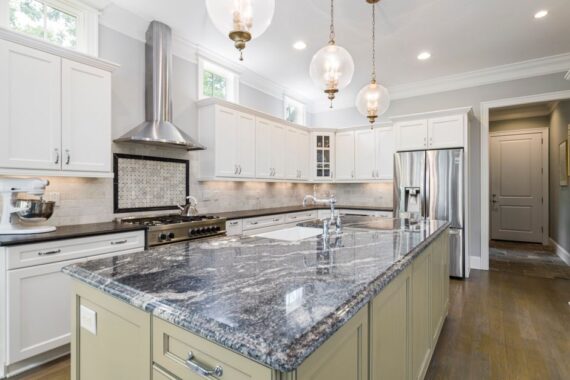
Granite is a natural stone quarried from the earth, cut into slabs, and polished for countertop use. Every slab is unique, with its own mineral composition, color variation, and natural character. That one-of-a-kind quality is a big part of granite’s lasting appeal.
Granite is extremely hard and holds up well against heat. You can set a hot pan directly on a granite surface without worrying about scorching or discoloration, something that’s not always true with quartz.
However, granite is a porous material. It requires periodic sealing, typically once a year, to prevent staining and bacterial buildup. Without proper maintenance, liquids like red wine, coffee, or cooking oil can seep into the stone and leave permanent marks.
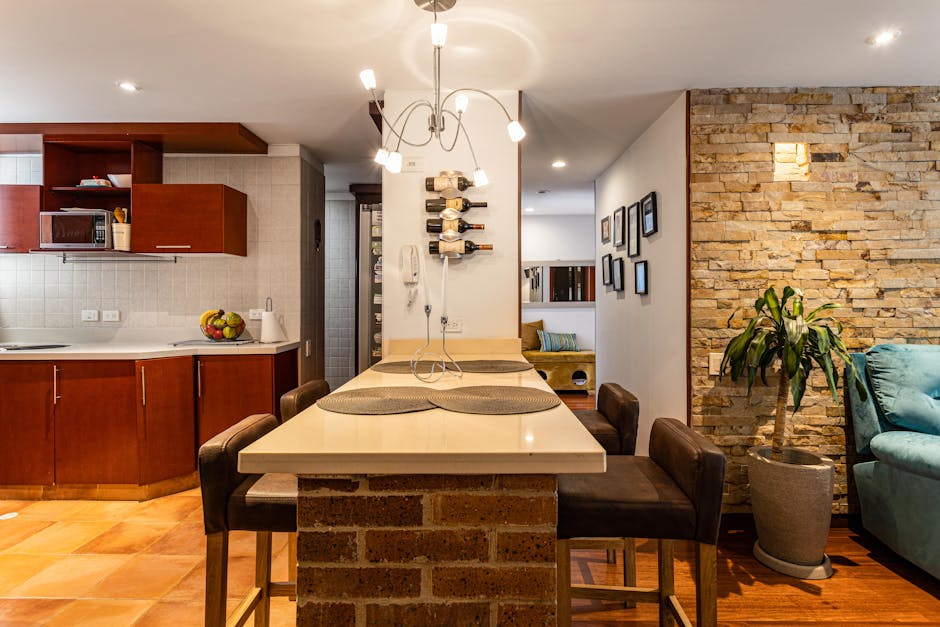
Engineered Stone vs Natural Stone: Maintenance and Durability
This is where the engineered stone vs natural stone conversation gets really practical. If low-maintenance living matters to you, engineered quartz has a clear advantage.
Stain Resistance
Engineered stone countertops are non-porous, which means they never need sealing. Quartz countertops stain resistance is one of the top reasons homeowners choose them. Spills wipe away easily, and there’s no risk of liquids soaking into the surface.
Granite, on the other hand, needs that annual seal to stay protected. If you keep up with it, granite resists stains well. If you skip it, you’re rolling the dice every time you cook.
Scratch and Heat Resistance
Granite wins on heat resistance. Its natural composition handles high temperatures without damage. Quartz heat resistance is decent, but extreme or prolonged heat exposure can cause discoloration or even cracking in the resin.
For scratch resistance, both materials perform well. Quartz scratch resistance is slightly better in most cases because of its engineered density, but neither surface will scratch easily under normal kitchen use.
Day-to-Day Care
Quartz countertop maintenance is about as simple as it gets. Warm water, mild soap, and a soft cloth are all you need. No special cleaners, no sealing schedule, no polishing.
Granite requires a bit more attention. You’ll want to use a stone-safe cleaner and stay consistent with sealing. It’s not a huge burden, but it’s something to factor into your decision.
Appearance and Design Flexibility
If you love the idea of a truly unique slab with natural movement and depth, granite is hard to beat. Each piece tells its own geological story, and no two kitchens will ever look exactly alike.
Quartz offers something different: total design control. Caesarstone color options alone span dozens of shades, from warm neutrals to bold dramatic tones. You can find quartz that looks like marble, concrete, or even natural granite, all without the maintenance trade-offs.
Quartz also offers more flexibility in finished details. Quartz countertop edge profiles range from simple eased edges to dramatic waterfall or ogee styles. And if you want a seamless look, quartz backsplash ideas like full-height slab backsplashes create a sleek, continuous surface that’s easy to clean.
Quartz slab thickness is available in multiple options, typically 2cm or 3cm, giving you control over the visual weight and proportion of your countertops.
Cost: Quartz Countertops vs Granite Countertops
Quartz countertops cost and granite pricing overlap significantly. Both materials generally range from $50 to $150 per square foot installed, depending on the brand, color, and complexity of the job.
Entry-level granite can be slightly cheaper than entry-level quartz. But premium granite slabs, especially exotic varieties, can exceed the cost of high-end quartz.
The real cost difference shows up over time. Because quartz never needs sealing and is less likely to stain or chip, your long-term maintenance costs stay lower. Granite may occasionally need professional quartz countertop repair-level attention if a chip or crack develops, especially around sink cutouts or edges.
At Granex Kitchen, we help homeowners in Long Island find materials that fit both their vision and their budget. We carry a wide selection of both engineered and natural stone options to make sure you get the best value for your investment.
Which Countertop Is Right for Your Home?
There’s no single right answer here. The best countertop depends on your priorities.
Choose engineered stone countertops if you want:
- Stain resistant countertops that never need sealing
- A wide range of colors and patterns, including marble-look quartz
- Non-porous kitchen countertops that are easy to clean
- Low-maintenance quartz worktops that stay looking new for years
Choose granite if you want:
- A completely natural, one-of-a-kind surface
- Superior heat resistance for heavy cooking
- The organic beauty and depth only real stone provides
- A classic look with proven long-term durability
Many of our customers at Granex Kitchen actually use both in the same home, quartz in the kitchen where spills are frequent and granite in a bathroom vanity where heat and staining are less of a concern.
Both engineered stone countertops and granite are excellent choices that will serve your home well for decades. Quartz gives you consistency, stain resistance, and virtually zero maintenance. Granite gives you natural beauty, heat tolerance, and timeless character.
The best way to decide is to see and feel the materials in person. At Granex Kitchen, we work with homeowners throughout Patchogue, East Patchogue, Brookhaven, and all of Long Island to find the perfect countertop match for every project. Whether you’re drawn to quartz vs granite countertops or even exploring quartz vs marble countertops, our team walks you through every option.
Reach out to Granex Kitchen to schedule a consultation and start building the kitchen you’ve been picturing.
Frequently Asked Questions
Are engineered stone countertops better than granite?
Engineered stone is better for low maintenance and stain resistance, while granite is better for heat tolerance and natural beauty.
Do engineered stone countertops stain easily?
No, engineered stone countertops are non-porous and highly stain resistant, so spills wipe away without sealing.
Is quartz or granite more expensive?
Quartz and granite have similar price ranges, typically $50 to $150 per square foot installed, depending on the brand and color.
Do granite countertops need to be sealed?
Yes, granite countertops should be sealed about once a year to prevent staining and bacterial buildup.
Can you put hot pans on quartz countertops?
It’s best to use a trivet because extreme heat can damage the resin in quartz, while granite handles hot pans without issue.