If you’re planning a kitchen remodel in Long Island, one of the smartest investments you can make is choosing the right countertop material. Quartz countertops consistently rank among the most popular options for homeowners across Patchogue, Brookhaven, East Patchogue, and surrounding communities, and for good reason.
Engineered quartz countertops are built to last, resist stains, and require almost zero maintenance compared to natural stone alternatives. But how long can you actually expect them to hold up? And what does the real cost look like for Long Island homeowners?
Below, we break down the lifespan of quartz countertops on Long Island, what affects their durability, how they compare to granite, and what you should budget for installation and upkeep.
How Long Do Quartz Countertops Actually Last?
Quartz countertops typically last 20 to 30 years or more with proper care. Some manufacturers, including well-known brands like Caesarstone and Cambria, offer lifetime warranties on their slabs, which speaks to the confidence behind the product.
The reason quartz holds up so well is its composition. Engineered quartz is made from roughly 90 to 94 percent ground natural quartz crystals, bound together with polymer resins and pigments. This makes it extremely hard, non-porous, and resistant to scratching, staining, and bacterial growth.
For Long Island homeowners who use their kitchens daily, that kind of durability matters. You won’t need to worry about sealing, polishing, or treating the surface the way you would with marble or even granite.
What Affects the Lifespan of Quartz Countertops on Long Island?
While quartz is incredibly durable, a few factors can influence how long your countertops look and perform like new.
Heat Exposure
Quartz resins can be damaged by extreme heat. Placing a hot pan directly on the surface can cause discoloration or cracking over time. Always use trivets or hot pads to protect your kitchen quartz countertops.
UV Light Exposure
Prolonged direct sunlight can cause some quartz colors to fade, particularly darker shades. This is more relevant for countertops near large windows or in outdoor kitchens. For most indoor Long Island kitchens and bathrooms, this is not a major concern.
Quality of Installation
Even the best quartz slab won’t perform well if the installation is done poorly. Uneven support, improper seam placement, or bad cuts can lead to cracking and premature wear. Working with experienced quartz countertop fabricators and installers on Long Island makes a significant difference in how long your countertops last.
Daily Use and Care Habits
Cutting directly on quartz, using harsh chemical cleaners, or letting spills sit for extended periods can all shorten the life of your countertops. The good news is that basic quartz countertop maintenance and care is simple: wipe with mild soap and water, and your surfaces will stay beautiful for decades.
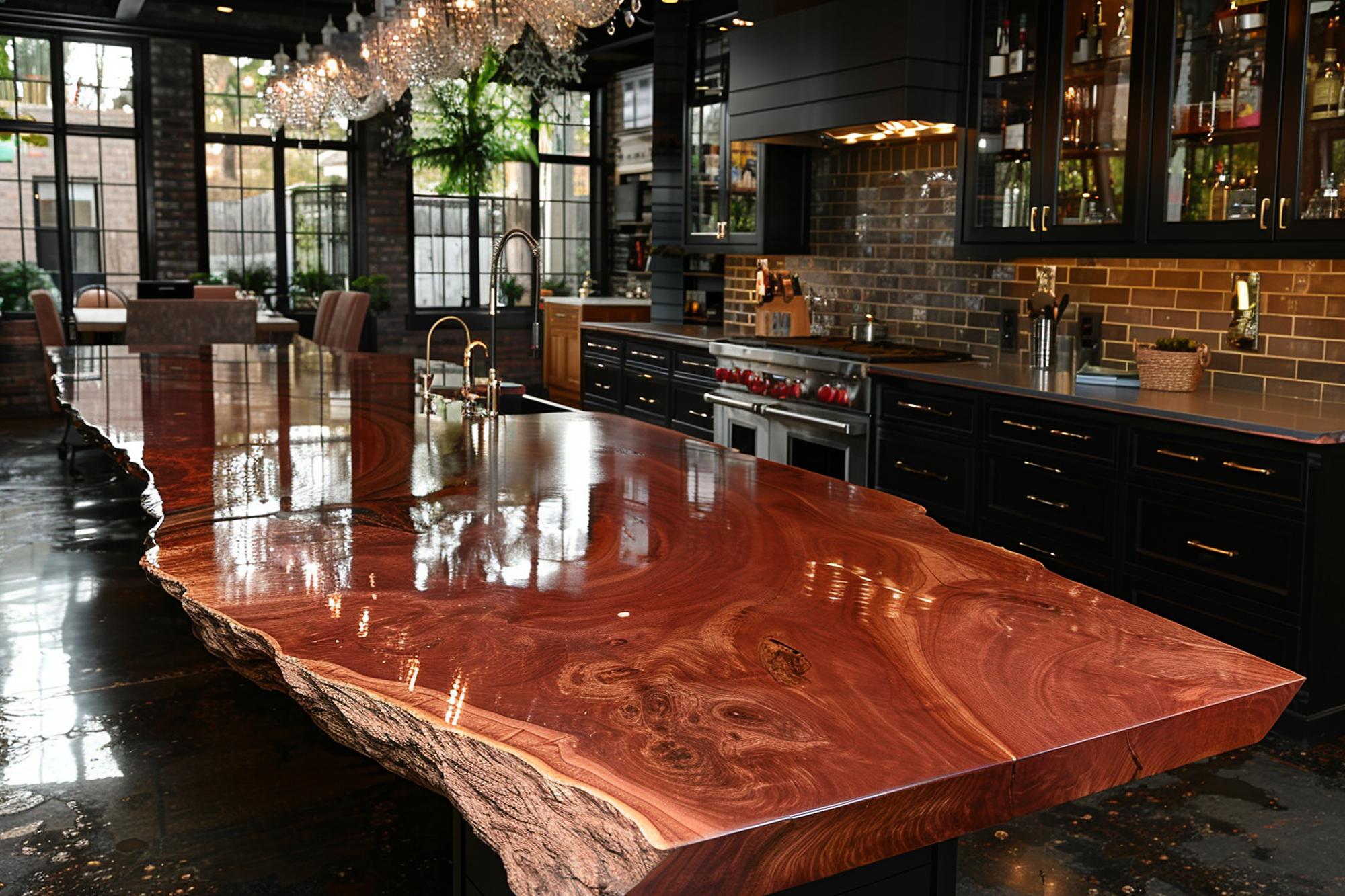
Quartz vs Granite Countertops: Which Lasts Longer on Long Island?
This is one of the most common questions homeowners ask when comparing quartz vs granite countertops. Both materials are durable, but they differ in maintenance and long-term performance.
Granite is a natural stone that needs to be sealed once or twice a year to prevent staining and bacterial buildup. If you skip that maintenance, granite can stain, crack along natural fissures, or harbor bacteria in its pores.
Quartz, on the other hand, is non-porous right out of the box. There’s no sealing required, ever. It resists stains, bacteria, and moisture without any extra effort.
In terms of raw lifespan, both materials can last decades. But quartz typically requires far less upkeep to maintain its original appearance. For busy Long Island families, that convenience often tips the scale.
- Granite: Requires annual sealing, susceptible to staining if unsealed, natural variations may include weak points
- Quartz: No sealing needed, consistent color and pattern, highly resistant to stains and scratches
- Winner for low maintenance: Quartz
How Much Do Quartz Countertops Cost in Long Island?
Quartz countertop cost on Long Island varies based on the brand, slab color, edge profile, and complexity of the installation. Here’s a general breakdown of what to expect.
- Material cost per square foot: $50 to $120, depending on whether you choose a premium brand like Cambria quartz or a more budget-friendly engineered quartz option
- Installation cost per square foot: $25 to $50, depending on cutouts, edges, and layout complexity
- Total average project cost: $2,500 to $7,500 for a standard Long Island kitchen
Bathroom quartz vanity tops tend to cost less due to smaller surface areas, usually ranging from $800 to $2,500 installed.
If budget is a concern, ask about quartz remnant slabs. Reputable quartz slab suppliers on Long Island often have leftover pieces from larger projects that work perfectly for smaller kitchens, bathroom vanities, or quartz kitchen island counters.
Quartz Countertop Maintenance and Care Tips
One of the biggest advantages of choosing quartz countertops for your Long Island home is how little maintenance they require. Here are a few simple habits that will keep your surfaces looking brand new.
- Clean daily with a soft cloth, warm water, and mild dish soap
- Avoid abrasive scrubbers or pads that can dull the finish
- Use trivets under hot cookware to prevent resin damage
- Wipe up spills quickly, especially from wine, coffee, or acidic liquids
- Never use bleach, oven cleaners, or harsh solvents on quartz surfaces
If you do notice a chip or crack over time, quartz countertop repair on Long Island is available through professional fabricators who can fill and polish small areas without replacing the entire slab.
Is Quartz Worth the Investment for a Long Island Kitchen Remodel?
When you factor in the 20 to 30 year lifespan, minimal maintenance, and timeless appearance, quartz countertops offer one of the best returns on investment for any kitchen remodel on Long Island.
Compared to laminate or tile, quartz significantly increases home value. Compared to granite or marble, it saves you time and money on upkeep over the years.
Quartz also gives you design flexibility. Whether you want a classic white quartz backsplash for your Long Island home or a bold veined pattern that mimics Calacatta marble, engineered quartz delivers consistent beauty without the unpredictability of natural stone.
For homeowners in Patchogue, East Patchogue, Brookhaven, and beyond, choosing quartz means choosing a countertop that works as hard as your kitchen does.
Quartz countertops on Long Island are built to last two to three decades with minimal effort on your part. They resist stains, scratches, and bacteria without sealing, and they hold their beauty through years of daily use.
Whether you’re upgrading your kitchen, refreshing a bathroom vanity, or planning a full remodel, quartz remains one of the most practical and attractive countertop options available.
Granex Kitchen helps Long Island homeowners choose, fabricate, and install quartz countertops that fit their style and budget. If you’re ready to explore your options, reach out for a consultation and see how quartz can transform your space.
Frequently Asked Questions
How long do quartz countertops last?
Quartz countertops typically last 20 to 30 years or more with proper care and maintenance.
How much do quartz countertops cost in Long Island?
A standard Long Island kitchen quartz countertop project typically costs between $2,500 and $7,500 including materials and installation.
Do quartz countertops need to be sealed?
No, quartz countertops are non-porous and never need to be sealed, unlike granite or marble.
Is quartz better than granite for kitchen countertops?
Quartz requires less maintenance than granite, resists stains without sealing, and offers more consistent color and pattern options.
Can quartz countertops be repaired if they chip?
Yes, professional quartz countertop fabricators can fill and polish small chips or cracks without replacing the entire slab.