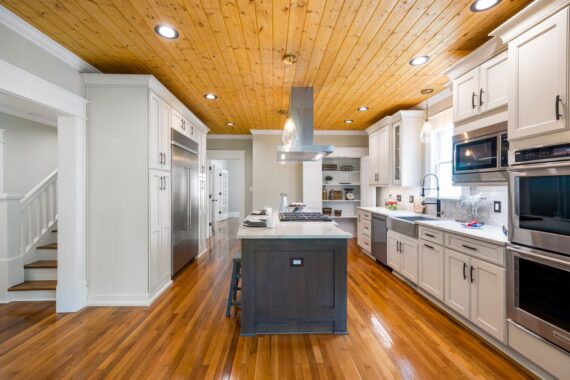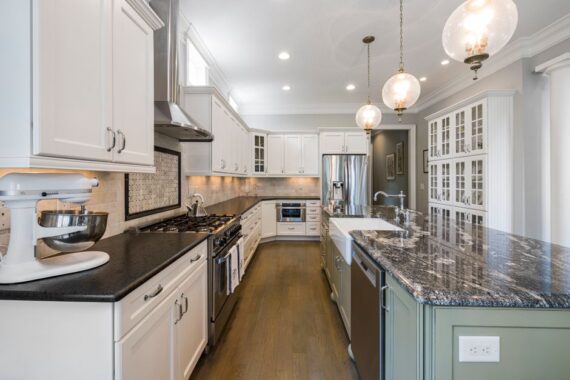

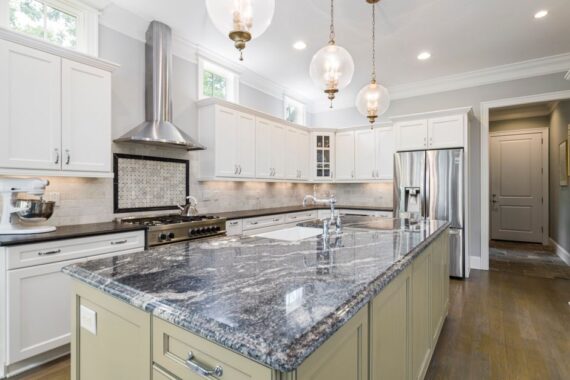

When it comes to merging the cozy allure of traditional style with the sleek precision of modern aesthetics, transitional kitchen design shines as a timeless and elegant choice. It’s a versatile and sophisticated approach that creates a balance between old-world charm and contemporary flair. The transitional style offers a perfect blend of elegance and flexibility, making it an ideal choice if you’re planning a Kitchen Remodel In Long Island.
What is a Transitional Kitchen Design?
Blending contemporary style with traditional charm, transitional kitchen design creates a seamless and balanced look. It’s not too ornate and not too minimalistic, lands perfectly in the middle. Think classic wood cabinetry paired with sleek hardware, or a neutral color palette complemented by bold light fixtures. This style allows homeowners to create a space that feels warm, comfortable, and current.
Choosing transitional design during your Kitchen Renovation can help future-proof your space, offering a look that’s less likely to go out of style and more adaptable to changing trends.
Also Read: How to Create a Luxury Kitchen with These Kitchen Design Ideas
Key Elements of Transitional Kitchens
Let’s take a look at the defining features of a transitional kitchen:
1. Neutral Color Palettes
Soft, neutral tones such as whites, beiges, and greys are commonly used in transitional kitchens to create a calm and inviting atmosphere. These calming hues create a canvas that enhances the blend of modern and traditional elements.
2. Simple Cabinetry
A popular choice in transitional kitchens, shaker-style cabinets are known for their timeless and sleek appeal. They avoid ornate detailing but also aren’t too minimalist. Many Kitchen Contractors recommend this cabinet style due to its versatility and ability to complement various hardware finishes.
3. Mixed Materials
This design approach encourages mixing textures and materials, like a marble countertop paired with a wooden island or stainless steel appliances installed next to a rustic backsplash.
4. Layered Lighting
Pendant lights, under-cabinet lighting, and recessed ceiling lights all work together to brighten up the space and enhance its aesthetic. Transitional kitchens use lighting not just for function, but to add warmth and dimension.
Why Homeowners Love Transitional Kitchens
Transitional kitchens are growing in popularity across the United States, especially among families and professionals who want a space that’s stylish yet functional. The look is easy to personalize, whether you’re a fan of rustic touches or sleek finishes.
Working with experienced Kitchen Designers can help you customize a transitional layout to reflect your style while ensuring maximum efficiency and comfort.
Flooring and Backsplash Choices
When selecting flooring, transitional kitchens benefit from timeless materials like natural hardwood or large-format porcelain tiles. They not only offer long-lasting durability but also enhance the space with added visual depth.
For backsplashes, classic white subway tiles remain a favorite, but you can also experiment with textures such as glass, stone, or even metallic tiles for a contemporary twist. When chosen carefully, a backsplash can serve as a striking focal point without overwhelming the overall design.
Appliances and Storage
Modern appliances are often integrated into the cabinetry in transitional kitchens, creating a sleek and unified appearance. Think panel-ready refrigerators or drawer-style dishwashers. These hidden appliances help maintain a clean, uncluttered aesthetic.
Smart storage solutions like pull-out spice racks, deep drawers, and corner cabinets are essential. A skilled team for your Kitchen Remodel can help integrate these features while keeping the visual flow intact.
Custom Touches to Make It Yours
What makes transitional kitchens truly appealing is their ability to adapt to different styles and preferences. Whether you prefer a farmhouse sink or a sleek stainless steel basin, there’s room for personalization. Incorporating family-friendly seating, like a built-in breakfast nook or a large center island, is another way to make the space both welcoming and practical.
If you’re looking into Kitchen Remodeling, consider mixing design elements such as open shelving and concealed cabinetry to strike the perfect balance of display and organization.

Tips for a Successful Transitional Kitchen Makeover
Ready to begin your kitchen transformation
1. Start By Setting A Clear Budget
In most cases, the Kitchen project’s cost can easily spiral out of control. Work closely with professionals and map out costs for materials, labor, and contingencies.
2. Choose the Right Professionals
Hiring the right team is key. Reputable Kitchen Contractors In Long Island understand local design preferences, permit requirements, and material availability, ensuring a smoother process from start to finish.
3. Be Mindful of Layout
A well-designed kitchen layout improves both form and function. Whether it’s the classic work triangle or a more open-concept design, layout matters more than aesthetics alone.
4. Invest in Quality Materials
The understated charm of transitional kitchens relies heavily on the use of premium, high-quality materials. Think solid wood, stone countertops, and durable flooring; these investments will pay off in longevity and style.
5. Focus on Lighting
Lighting is not just decorative: it defines your kitchen’s ambiance. Combining task, ambient, and accent lighting is key to achieving a kitchen that’s as functional as it is visually appealing.
Also Read: Countertop Installation Service
The Long-Term Value of Transitional Design
A transitional kitchen is more than a trend; it’s a smart investment. The blend of classic and modern styles appeals to a wide audience, which can increase your home’s market value.
If you’re based in the United States and thinking about a kitchen makeover, transitional design is a practical yet elegant choice. With the help of experienced Kitchen Designers, you can create a space that stands the test of time.
Whether you’re updating your current home or designing a new one, transitional style is an excellent middle ground. The process may feel overwhelming at first, but with the guidance of top Kitchen Remodeling professionals, achieving your dream kitchen is closer than you think.
Conclusion
Balancing comfort with refined style, a transitional kitchen offers the best of both worlds. It’s ideal for homeowners looking to combine traditional charm with contemporary convenience. Whether you’re just beginning your Kitchen Remodel or exploring new ideas for your dream kitchen, transitional design offers limitless possibilities. From cabinetry to lighting and layout to appliances, every element works together to create a space that’s both beautiful and functional. Don’t wait. Start planning your ideal kitchen today with trusted professionals who understand the art of design and the science of renovation.