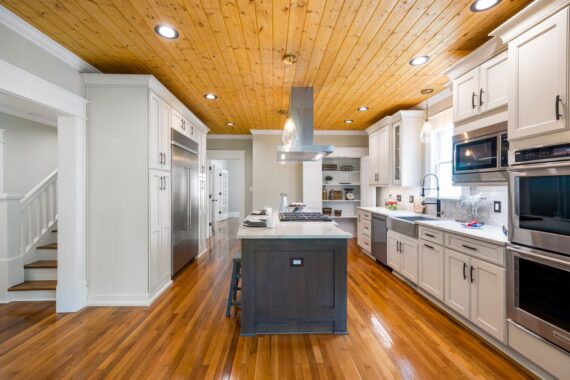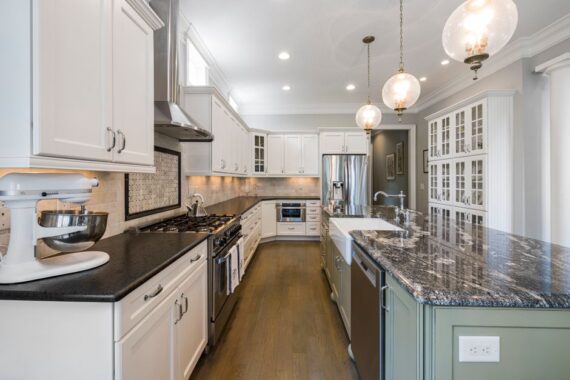

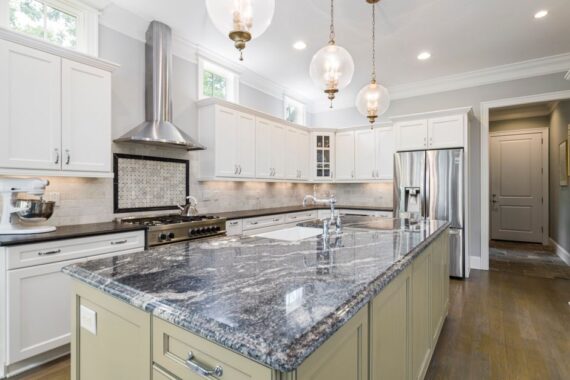
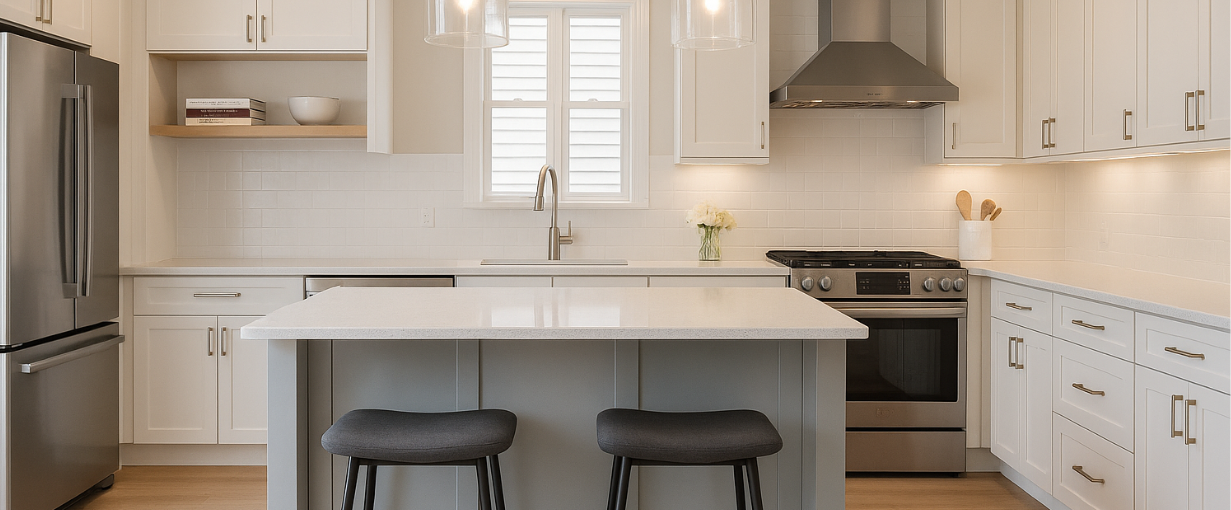
Taking on a kitchen remodel can be thrilling, but it also comes with its fair share of challenges. It’s where function meets form, where your taste in aesthetics meets the gritty realities of plumbing, cabinetry, and daily cooking routines. Especially in design-conscious regions like Long Island, where property values and lifestyle expectations are high, making the right decisions matters.
Kitchen Design Choices to Avoid from Kitchen Design Experts
Having designed countless kitchens across Long Island, we know which choices pay off and which ones fall flat. While Pinterest boards and showroom visits can spark wonderful ideas, not every trendy feature or clever layout translates well in the real world. So, before you dive into a full Kitchen Remodeling Long Island project, consider this expert guide to the six most common design missteps and how to steer clear of them.
1. Ignoring the Work Triangle
Ah, the kitchen work triangle. If you’ve ever tried preparing a full meal in a poorly laid-out kitchen, you’ve probably felt the pain of this being ignored. The classic triangle connects the sink, stove, and refrigerator, three points of heavy traffic & aims to minimize unnecessary steps. Yet in the name of aesthetics or maximizing island space, homeowners sometimes sacrifice flow for form. We recently worked with a couple in Suffolk County who had placed their fridge at the far end of the kitchen, visually balanced, yes, but wildly impractical.
Better Choice: Keep the triangle tight but not cramped. Even in modern open-concept layouts, try to keep these three work zones within easy reach, ideally forming a triangle of no more than 26 feet total.
2. Overdoing Open Shelving
Open shelving has had a major design moment in recent years. And when done right, it can look beautiful, especially when styled with matching dishware, vintage cookbooks, or heirloom ceramics. But in real life? Not everyone wants to dust their plates weekly or stage their cabinets like a lifestyle magazine. We’ve had more than one client in Nassau County call us back six months after a remodel, asking to retrofit their open shelves with glass doors or closed cabinetry. The reality is, unless you’re Marie Kondo level tidy and your dishware collection is cohesive, open shelving often creates more clutter than charm.
Better Choice: Mix open and closed storage. Use a couple of floating shelves for display and install closed cabinetry to hide everyday chaos. Your future self will thank you
3. Skimping on Lighting
Lighting is one of the most underrated aspects of kitchen design and one of the easiest to overlook. Many homeowners rely solely on ceiling-mounted fixtures or a few recessed lights, leaving corners dim and counters poorly lit. One client in Huntington had a beautiful quartz island, but after dark, the space felt cave-like. Once we added pendant lights and under-cabinet strips, the entire mood shifted. The transformation was immediate; it no longer felt like just a cooking area, but a warm, inviting space where people wanted to linger.
A Smarter Approach: Use a mix of lighting types. Blend ceiling lights with task-focused options like pendants or under-cabinet strips, and consider accent lighting to highlight design features. Adjustable LED tones can help create the right mood from morning to evening
4. Prioritizing Trends Over Timelessness
We get it, trends are tempting. Modern touches like black hardware, statement backsplashes, and clean-lined cabinetry. But if you’re investing in a kitchen remodeling project on Long Island, where return on investment matters, chasing fads can be a risky move. A homeowner in East Islip went all-in on navy cabinets and brass hardware in 2018. It looked fantastic for a year. But by 2023, the resale market leaned toward lighter, more neutral tones. He ended up repainting before listing his home.
Better Choice: Choose classic finishes for major fixtures like cabinets, counters, and flooring and use trend-forward choices in areas that are easier to update (like paint color, lighting, or bar stools). A well-balanced design ages gracefully.
5. Overstuffing the Space
Bigger isn’t always better, especially in the kitchen. Some homeowners, eager to maximize storage, pack every wall with cabinets, oversized islands, or double door pantries leaving little room to breathe, let alone move. We recently had a consultation in Bay Shore where the client wanted a 10-foot island in a space that realistically supported seven. It would’ve made the kitchen feel cramped and created a bottleneck between the oven and sink. We proposed a smaller island with integrated seating and slim storage, and it transformed the flow of the room.
Better Choice: Respect negative space. Leave enough room between counters and islands (ideally 42–48 inches) and avoid obstructing natural walking paths. A spacious feel is just as valuable as storage space.
6. Choosing the Wrong Countertop Material
Countertops handle daily wear and tear while also setting the tone for the kitchen’s overall look. Yet many homeowners focus on color or pattern over functionality. Choosing a porous stone without sealing it, or opting for a soft material in a high-traffic kitchen, can lead to frustration. We’ve seen clients in Massapequa fall in love with soapstone or marble, only to discover within months that their red wine habits and kids’ science projects were wreaking havoc on the surface.
Better Choice: Think about your lifestyle first. For busy families, quartz is a durable and low-maintenance choice. If you love natural stone, make sure to seal it properly and understand the care routine. A beautiful kitchen only stays beautiful if it holds up to real life.
Bonus Tip: Partner with the Right Professionals
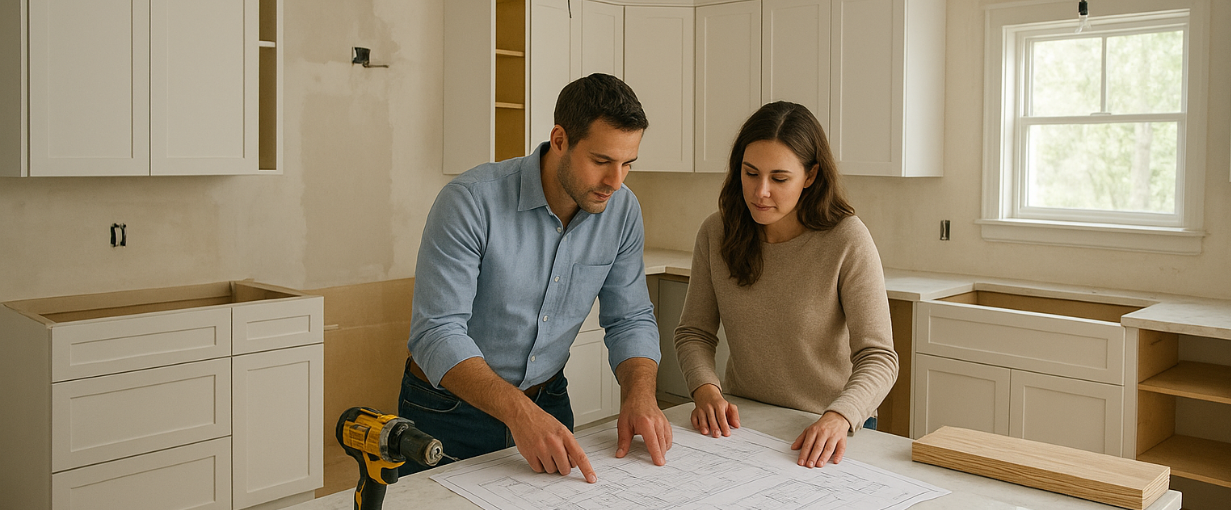
A successful kitchen renovation is rarely a DIY feat. Even for seasoned homeowners, the process involves hundreds of decisions from electrical plans to appliance specs to trim profiles. That’s why working with experienced Kitchen Designers in Long Island is a game-changer. A professional design team can not only help you avoid these pitfalls, but they’ll also bring ideas you may not have considered, like integrating pull-out pantries, customizing corner drawers, or designing islands to serve multiple functions, including concealed outlets and device chargers.
We Often Tell Clients: It’s not just about picking pretty finishes. It’s about designing a kitchen that functions for your family’s needs and lifestyle for years to come.
Local Insight: Why Long Island Kitchens Are Unique
There are specific details that make kitchen planning on Long Island a bit different. Older homes often have tight layouts, load-bearing walls in unexpected places, and legacy plumbing or electrical challenges. Meanwhile, newer developments may come with HOA restrictions or standard builder-grade designs that need major personality upgrades. Also, homeowners here tend to value both function and form. They want storage and beauty. Durability and resale appeal. It’s a balancing act & local expertise helps. Whether you’re in Montauk, Merrick, or Montauk Highway, working with local professionals who understand the regional housing stock can make your renovation smoother and more satisfying.
Final Thoughts: Design with Intention
Transforming your kitchen involves budgeting, scheduling, and making a lot of design decisions. But it’s also one of the most rewarding transformations you can make in a home. When done well, it doesn’t just increase property value, it enhances your daily life, from your morning coffee ritual to your Saturday dinner parties. Avoiding common missteps like poor layout planning, over-trending, or under-lighting can save you time, money, and future headaches. And with the right guidance, your kitchen won’t just look good, it’ll feel right, function well, and last for decades.