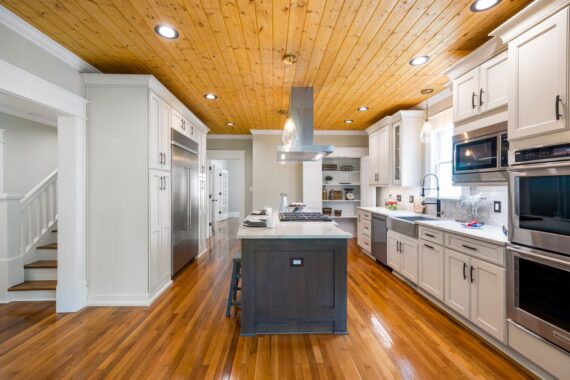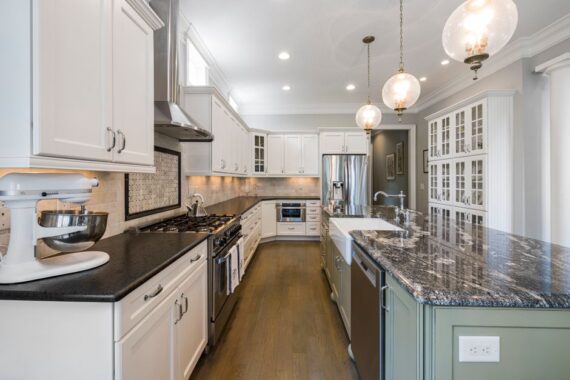
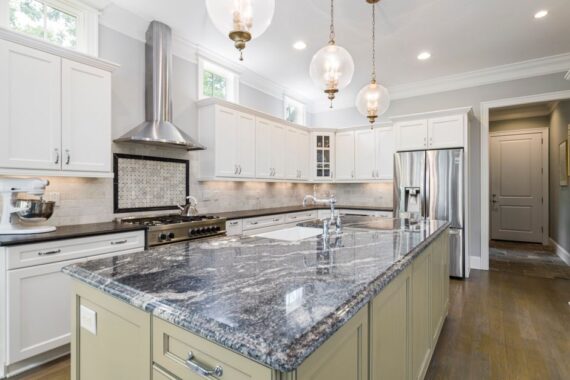

Every Long Island homeowner eventually faces the same challenging decision: selecting the perfect countertop material for their kitchen renovation or new construction project. With countless options flooding the market from traditional granite to innovative engineered surfaces the choice can feel overwhelming. Add in considerations like Long Island’s unique climate conditions, varying budgets, and diverse architectural styles spanning from colonial revivals to modern waterfront homes, and the decision becomes even more complex. The wrong choice can lead to years of regret, costly replacements, and daily frustration with surfaces that don’t meet your family’s needs.
The decision between different countertop materials isn’t just about aesthetics it’s about finding the perfect balance of beauty, functionality, and value for your specific Long Island lifestyle.
Understanding Long Island’s Unique Home Design Landscape
Long Island’s diverse architectural styles, from colonial revivals in Garden City to contemporary beachfront properties in the Hamptons, demand equally diverse interior design solutions. The region’s proximity to both ocean air and urban sophistication creates unique considerations for homeowners selecting durable surfaces.
Kitchen Countertops Long Island installations must withstand the area’s humidity variations, salt air exposure in coastal communities, and the demanding lifestyle of busy suburban families. Professional contractors throughout Nassau and Suffolk counties consistently report that homeowners prioritize both durability and visual appeal when making renovation decisions.
The investment in quality countertop materials typically adds significant value to Long Island properties, where real estate values remain consistently strong. This makes material selection a crucial financial decision alongside the aesthetic considerations.
Natural Stone Options: Timeless Elegance Meets Durability
Granite Countertops Long Island installations continue dominating the luxury market for compelling reasons. This igneous rock offers unmatched durability, heat resistance, and distinctive natural patterns that ensure no two installations look identical. Granite’s mineral composition creates surfaces that withstand heavy use while maintaining their polished appearance for decades.
Popular granite varieties among Long Island homeowners include Kashmir White for its clean, contemporary appeal, and Ubatuba for those preferring deeper, richer tones. The stone’s natural resistance to scratches and heat makes it particularly suitable for active cooking spaces.
Marble Countertops Long Island represent the pinnacle of luxury kitchen design. Carrara, Calacatta, and Statuario varieties each offer unique veining patterns that create stunning focal points. However, marble requires more maintenance than granite due to its calcium carbonate composition, which makes it susceptible to etching from acidic substances like lemon juice or wine.
Despite maintenance considerations, marble remains highly sought after for its unparalleled beauty and cool surface temperature—perfect for pastry preparation and bread making.
Engineered Materials: Innovation Meets Practicality
Quartz surfaces have revolutionized the countertop industry by combining natural stone beauty with enhanced durability. These engineered materials consist of approximately 90% ground quartz mixed with polymer resins, creating non-porous surfaces that resist stains, bacteria, and scratches.
Leading brands like Caesarstone, Silestone, and Cambria offer extensive color selections that range from marble-look designs to bold, contemporary patterns unavailable in natural stone. The consistent patterns and colors make quartz ideal for large installations or homes with open-concept layouts.
Porcelain slabs represent the newest innovation in surface materials. Ultra-thin yet incredibly strong, these materials can mimic virtually any natural stone appearance while offering superior resistance to heat, UV rays, and chemical damage. Their large format reduces seam requirements, creating cleaner, more continuous surface appearances.
Practical Considerations for Long Island Homes
Climate factors significantly influence material performance in Long Island homes. Coastal properties face salt air exposure that can affect certain finishes over time, while inland homes may experience greater temperature fluctuations that impact material expansion and contraction.
Maintenance requirements vary dramatically between materials. Natural stones generally require periodic sealing, while engineered surfaces need only routine cleaning. Busy families often gravitate toward low-maintenance options, while cooking enthusiasts might accept higher maintenance in exchange for superior performance characteristics.
Budget considerations extend beyond initial material costs. Installation complexity, edge treatments, and ongoing maintenance expenses all contribute to total ownership costs. Natural stone installations typically require experienced fabricators, while some engineered materials offer more installation flexibility.
Design Integration and Aesthetic Harmony
Successful countertop selection requires considering existing architectural elements and planned design updates. Traditional Long Island homes often benefit from classic granite or marble selections that complement period-appropriate cabinetry and fixtures.
Contemporary spaces provide opportunities for bold quartz patterns or innovative materials that wouldn’t suit traditional settings. The key lies in creating cohesive design narratives that enhance your home’s architectural character rather than competing with it.
Color coordination extends beyond matching cabinetry to encompass flooring, backsplashes, and lighting selections. Neutral stone selections offer greater flexibility for future design updates, while dramatic patterns create stunning focal points but may limit future decorating options.
Professional Installation and Local Expertise
Long Island’s competitive market includes numerous skilled fabricators specializing in different material types. Research local contractors’ experience with your preferred materials, as installation techniques vary significantly between natural stone and engineered surfaces.
Quality fabrication requires precise measurement, proper support structures, and expert seam placement. Experienced contractors provide valuable guidance on material selection, edge profiles, and practical design considerations based on your specific space requirements.
Warranty coverage varies between materials and installers. Natural stone typically carries fabrication warranties, while engineered materials often include comprehensive manufacturer guarantees covering both materials and workmanship.
Frequently Asked Questions
How do granite and quartz compare for Long Island kitchens?
Granite offers natural beauty with excellent heat resistance, while quartz provides consistent patterns and superior stain resistance. Both perform well in Long Island’s climate, with granite requiring periodic sealing and quartz needing minimal maintenance.
Are marble surfaces practical for busy family kitchens?
Marble creates stunning focal points but requires careful maintenance due to its susceptibility to etching and staining. Consider marble for low-use areas or if you’re committed to protective measures and regular maintenance.
What’s the typical timeline for countertop installation on Long Island?
Most installations require 2-4 weeks from measurement to completion, depending on material availability and fabrication complexity. Custom edge treatments or unusual layouts may extend timelines.
How do I choose between similar-looking materials?
Focus on performance characteristics rather than just appearance. Consider maintenance requirements, durability needs, and long-term value when materials look similar but perform differently.